
Small businesses can build a standout brand by using visual storytelling for small business to communicate their unique values through consistent imagery, color palettes, and authentic video content. This approach creates an emotional connection with the audience; it establishes trust and differentiation that generic marketing lacks by transforming simple products into relatable narratives.
Most small business owners feel as though they are shouting into a void. You provide a superior service, yet your digital presence feels flat, uninspired, or identical to your competitors. In an era where consumer attention is the most valuable currency, a generic aesthetic acts as a silent growth killer. Visual storytelling is far more than a collection of pretty images; it is the strategic bridge between your core values and your customer's lasting loyalty. By mastering the fundamental elements of a visual narrative, you transform a simple transaction into a meaningful brand relationship. In this guide, we will explore how to leverage authentic photography and design consistency to humanize your business. You will learn to move beyond basic aesthetics to build a cohesive narrative that drives measurable ROI and distinguishes your brand in a saturated landscape.
What is Visual Storytelling and Why it Matters for Small Brands
Visual storytelling for small business is often misunderstood as simply having a attractive logo or a curated social media grid. In reality, it is the strategic orchestration of photography, typography, color palettes, and layout to communicate a brand’s core values without uttering a single word. It acts as your silent ambassador, working around the clock to establish trust and evoke emotion before a potential customer even reads your copy.
For boutique businesses and service providers in competitive markets like Hervey Bay, simply having a digital presence is no longer enough. To move from a local shop to a recognized name, you need a narrative that grounds your work in purpose. This is where the distinction between pretty design and intentional storytelling becomes critical. While pretty design might garner a compliment, intentional storytelling drives conversion by aligning what a customer sees with what they believe. It transforms a passive viewer into an engaged advocate.
Crafting distinctive visual identities requires looking at the brand as a holistic ecosystem. It is the specific grain in a piece of brand photography or the weight of a typeface that tells a client you are reliable, creative, or high-end. When these elements are disjointed, the brand feels fractured and unreliable. When they are aligned through professional logo and brand identity design, they create a visceral connection that feels both inevitable and authentic to the Queensland lifestyle. By prioritizing narrative over fleeting trends, small brands can bypass the noise and speak directly to their ideal audience’s needs.
The Power of First Impressions in the Digital Landscape
The digital landscape moves at a pace that demands immediate clarity. Research indicates that users form an opinion about a brand’s credibility in less than a second of landing on a website or social profile. This rapid cognitive processing means that visual storytelling for small business is not just a marketing tactic; it is a fundamental pillar of digital trust. When a potential client in the Fraser Coast region visits your site, they are subconsciously scanning for cues that you are professional, capable, and genuinely connected to the community.
A website cluttered with generic, overused stock imagery often signals a lack of investment or a disconnect from the local environment. It feels sterile and uninspired. Conversely, a brand that integrates bespoke brand photography and a cohesive design system immediately commands authority. High-quality visuals act as a psychological shortcut, bridging the gap between being a new venture and an established expert. By presenting distinctive visual identities from the outset, you bypass the skepticism often faced by startups. This intentionality proves that you value your craft enough to present it with precision. For businesses in Hervey Bay, where personal connection is everything, these first digital touchpoints must reflect the same warmth and quality found in a face-to-face meeting.
Core Elements of a Visual Narrative

To construct a narrative that resonates, you need a toolkit where every element serves a specific function. At Wanderink, the process of visual storytelling for small business focuses on four foundational pillars that must work in unison to create a cohesive experience.
• Purposeful Logo Design: Think of the logo as your brand’s anchor. It is the most condensed version of your story, designed to remain recognizable whether it is scaled down for a social media avatar or enlarged for a shopfront in Hervey Bay. A successful logo is not just a graphic; it is a promise of quality that remains constant across every touchpoint.
• Strategic Color Palettes: Color is the primary driver of mood. In the Queensland market, choosing the right palette can immediately ground a business in its environment. A palette featuring warm, sun-baked ochres and sage greens can communicate a sense of local, hand-crafted quality. This emotional shorthand tells the viewer how they should feel about your brand before they process any technical information.
• Typography: If color provides the mood, typography provides the voice. The weight and structure of a typeface convey personality. A clean, minimalist sans-serif might suggest modern efficiency, while a classic serif implies heritage and reliability. Professional logo and brand identity design ensures your brand's voice is legible, consistent, and appropriate for your specific industry.
Custom Photography: Photography acts as the soul of your narrative. While the other elements are abstract, brand photography provides the human element. It allows you to showcase the textures of your work, the reality of your process, and the unique light of the Fraser Coast.
By combining these four elements, you build distinctive visual identities that move beyond aesthetic appeal into the realm of strategic communication. When the anchor, mood, voice, and soul are aligned, the brand stops being a collection of files and starts becoming a lived experience for the customer.
Using Authentic Photography to Humanize Your Brand

While a logo defines the brand’s structure, brand photography provides the heartbeat. Many small businesses fall into the trap of using stock images to fill digital space; however, these generic visuals often create a glass wall between the creator and the customer. They feel anonymous and easily replaceable, failing to communicate the nuances of your craft.
Choosing editorial or documentary-style imagery offers a level of depth that stock libraries simply cannot replicate. Highlighting the maker’s hands at work or the unpolished corners of a studio invites the audience into the creative process. This transparency fosters a vulnerable, authentic connection that humanizes a company. It allows a small venture to leverage its size as a strength, offering an intimacy that large corporations struggle to simulate. By documenting the reality of your work, you move past the facade of perfection to build genuine trust.
For a business in Hervey Bay, the environment is a vital character in its narrative. Capturing the specific, golden quality of the Queensland light or the coastal textures of the Fraser Coast grounds the brand in its physical community. This strategic approach to visual storytelling for small business ensures that your distinctive visual identities are not just beautiful, but deeply rooted in place. It signals to local clients that you are present, relatable, and invested in the same landscape they call home.
Consistency: The Key to Moving from a Business to a Brand
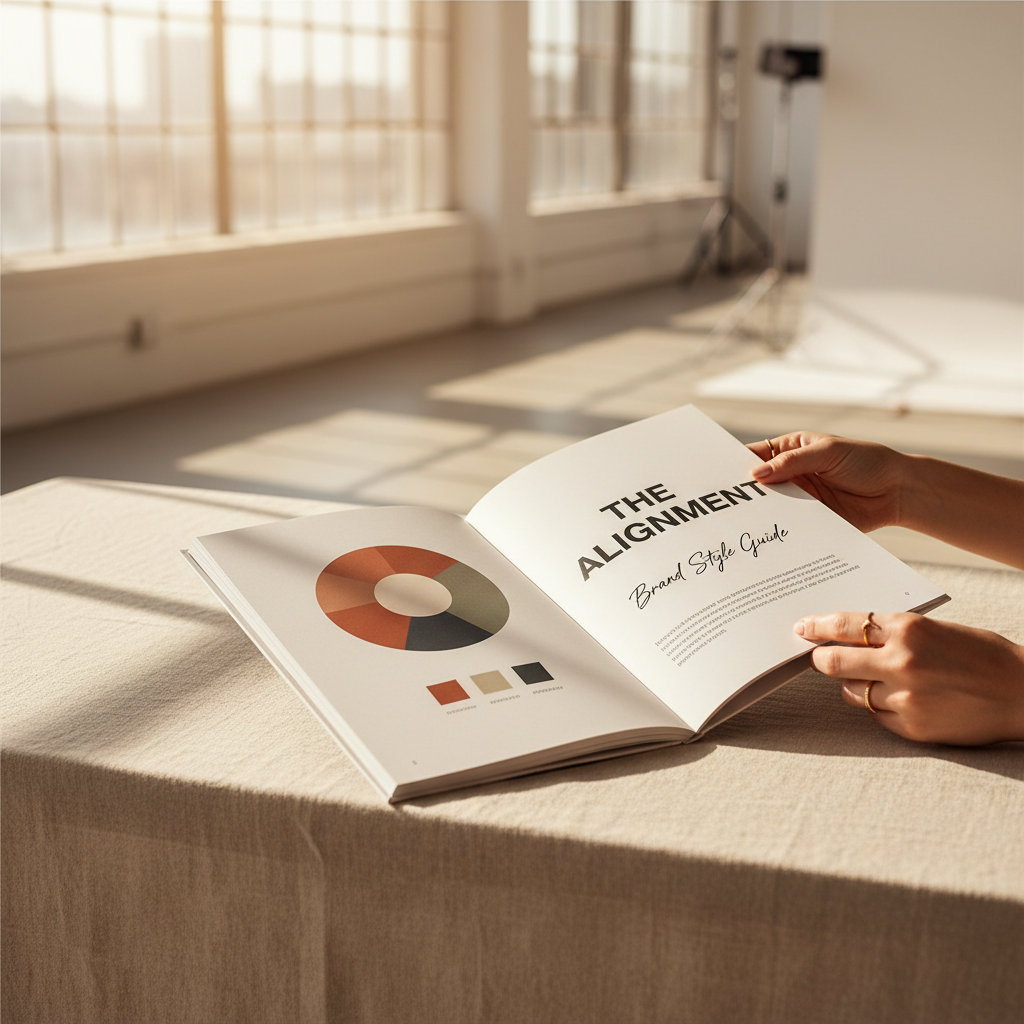
Once you have captured those authentic moments, the challenge lies in maintaining that narrative across every platform your audience encounters. Visual fragmentation occurs when a business presents a polished, editorial look on Instagram but uses mismatched fonts on its website or a low-resolution logo on physical signage. This inconsistency erodes the trust built by your visual storytelling for small business; it suggests a lack of attention to detail that customers might expect to find in your services as well.
To prevent this, a robust brand identity system or style guide acts as the rulebook for your brand’s visual language. Through professional logo and brand identity design, we establish clear parameters for color usage, typography pairings, and image treatments. This ensures that every touchpoint, from an email signature to a printed brochure, communicates the same level of quality and intent.
At Wanderink, we focus heavily on the practical real-world application of these designs. A logo should never just function as a digital file. It must be versatile enough to maintain its integrity when applied to a frosted shop window in Hervey Bay, printed on a heavy, textured business card, or viewed on a high-resolution tablet. This level of discipline is what separates a simple business from a memorable brand. By ensuring distinctive visual identities are executed with precision across both physical and digital spaces, you create a seamless loop of recognition. When your brand photography aligns perfectly with your signage and your digital presence, your audience stops seeing individual assets and starts seeing a complete, trustworthy story.
How to Start Telling Your Story Visually
Moving from conceptual consistency to practical execution requires a structured approach. To refine your visual storytelling for small business, start with a comprehensive visual audit. Lay out your current business cards, screen-capture your website, and print your social media feed. If these elements were stripped of your business name, would they still feel like they belong to the same entity? This exercise reveals where your narrative is strongest and where it has begun to fray. If your visuals do not clearly mirror your core values, they are likely confusing your audience.
Next, define your Hero story. Identify the one primary emotion or value you want a client to feel the moment they encounter your work. If your goal is to evoke a sense of quiet, coastal luxury, every element within your distinctive visual identities must filter through that lens. If a graphic or photo feels too energetic or chaotic, it does not belong in your story. This clarity allows you to make design decisions based on strategy rather than personal whim.
Finally, prioritize professional investment over DIY shortcuts. While digital templates offer a quick fix, they often lack the nuance required to tell a specific, local story. Professional logo and brand identity design and bespoke brand photography are the tools that allow your brand to function as a living, breathing concept rather than a static set of files. By treating your visuals as a long-term evolution, you ensure your brand remains relevant as your business grows.
The Long Term ROI of Strategic Design
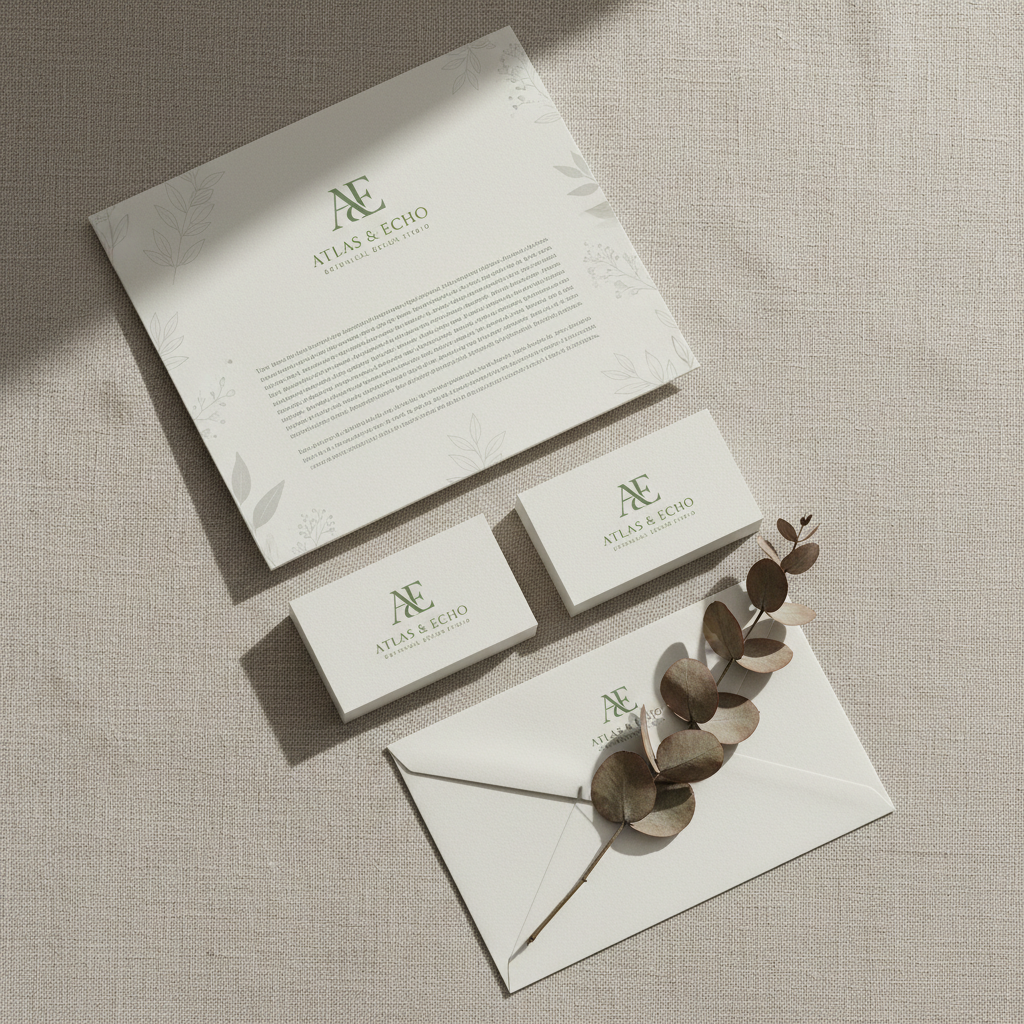
Strategic design functions as a long term business asset rather than a one time expense. Prioritizing visual storytelling for small business increases your brand’s perceived value, creating the necessary foundation to command premium pricing. This clarity streamlines future growth; professional logo and brand identity design ensures that every marketing campaign or product launch follows a pre-established roadmap. Over time, this consistency cultivates a sense of loyalty and recognition that generic competitors cannot replicate.
By investing in custom brand photography and distinctive visual identities, you are building more than a temporary storefront. You are crafting a permanent legacy that ensures your business remains a recognizable, respected fixture within the Hervey Bay community for years to come.
